
Manless Entry Tank Cleaning
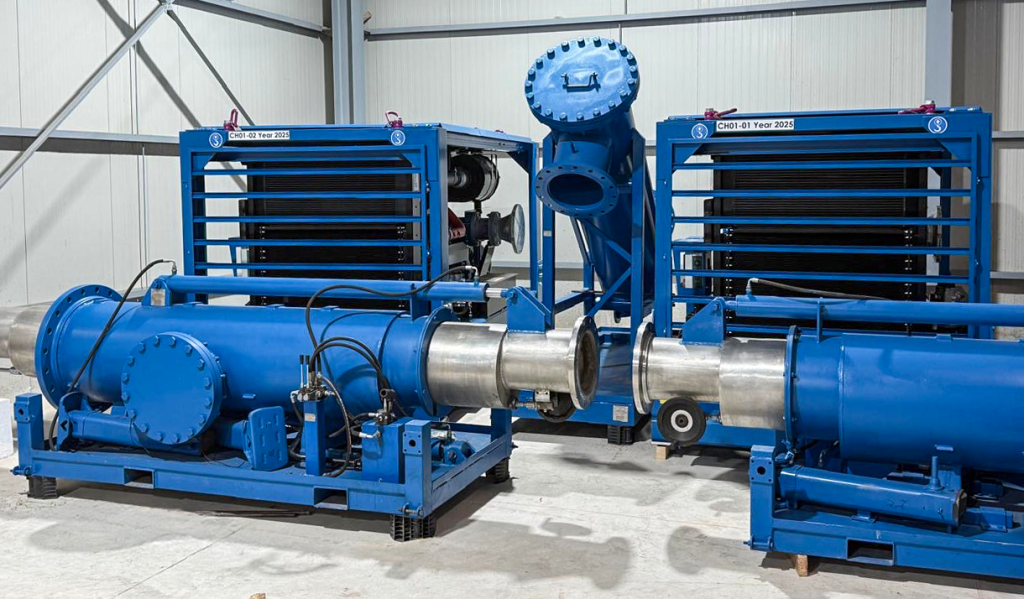
LP Energy Services Group’s Manless Entry Tank Cleaning System provides a safer, more efficient solution for de-sludging and cleaning petroleum and chemical storage tanks without requiring personnel entry into confined spaces.
Using high-velocity liquid jetting technology, the system liquefies and suspends sludge and solids within the tank, allowing materials to be circulated, recovered, or removed safely and efficiently. Because the system operates while the tank remains closed and in service, it significantly reduces safety risks, minimizes downtime, and improves overall project efficiency.
The Manless Entry Tank Cleaning System is particularly effective when liquid levels are above tank manways – conditions that often prevent conventional cleaning methods from being used.
Key Advantages
- High-capacity directional nozzles capable of delivering extremely high flow rates
- Precise operator control of nozzle positioning and cleaning patterns
- Submerged nozzle operation that reduces vapor generation and often eliminates the need for tank inerting
- Side-entry installation that removes the need for roof access, crane lifts, and elevated work
- Reduced confined-space entry requirements, improving overall personnel safety
- Enhanced oil recovery and sludge removal efficiency
System Capacities/Components
Model
Flow Rate
Model
Flow Rate
Typical System Includes:
Typical System Includes:
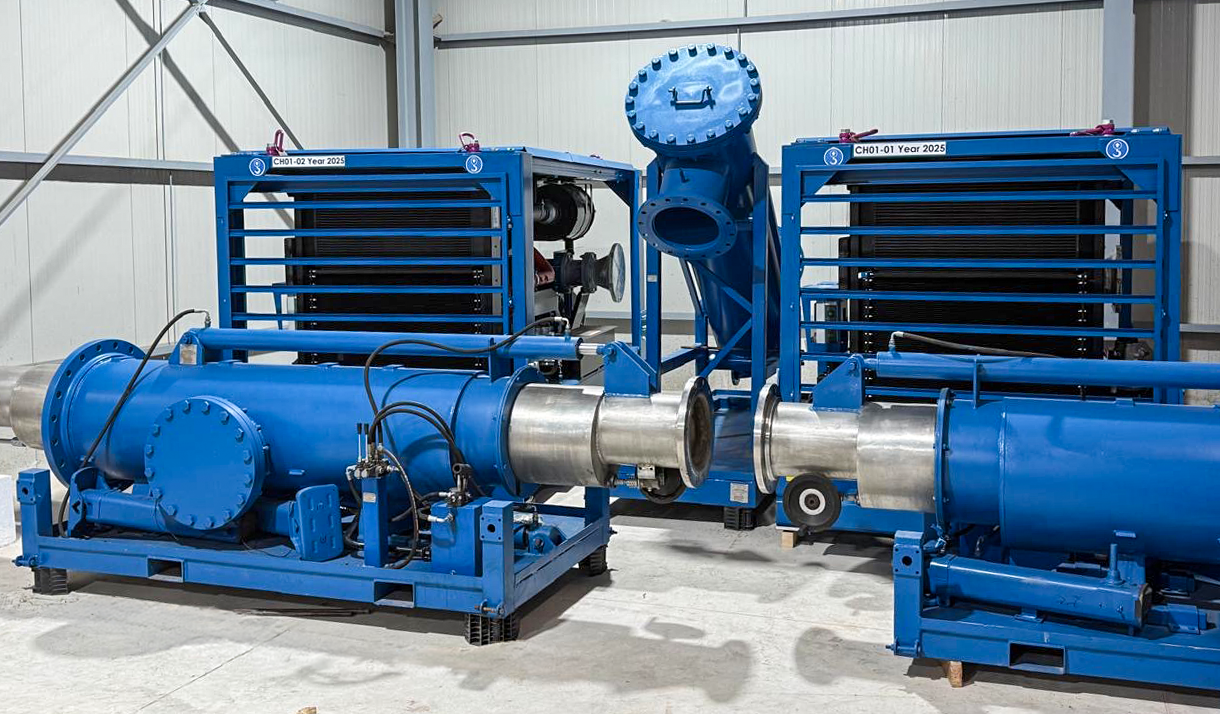
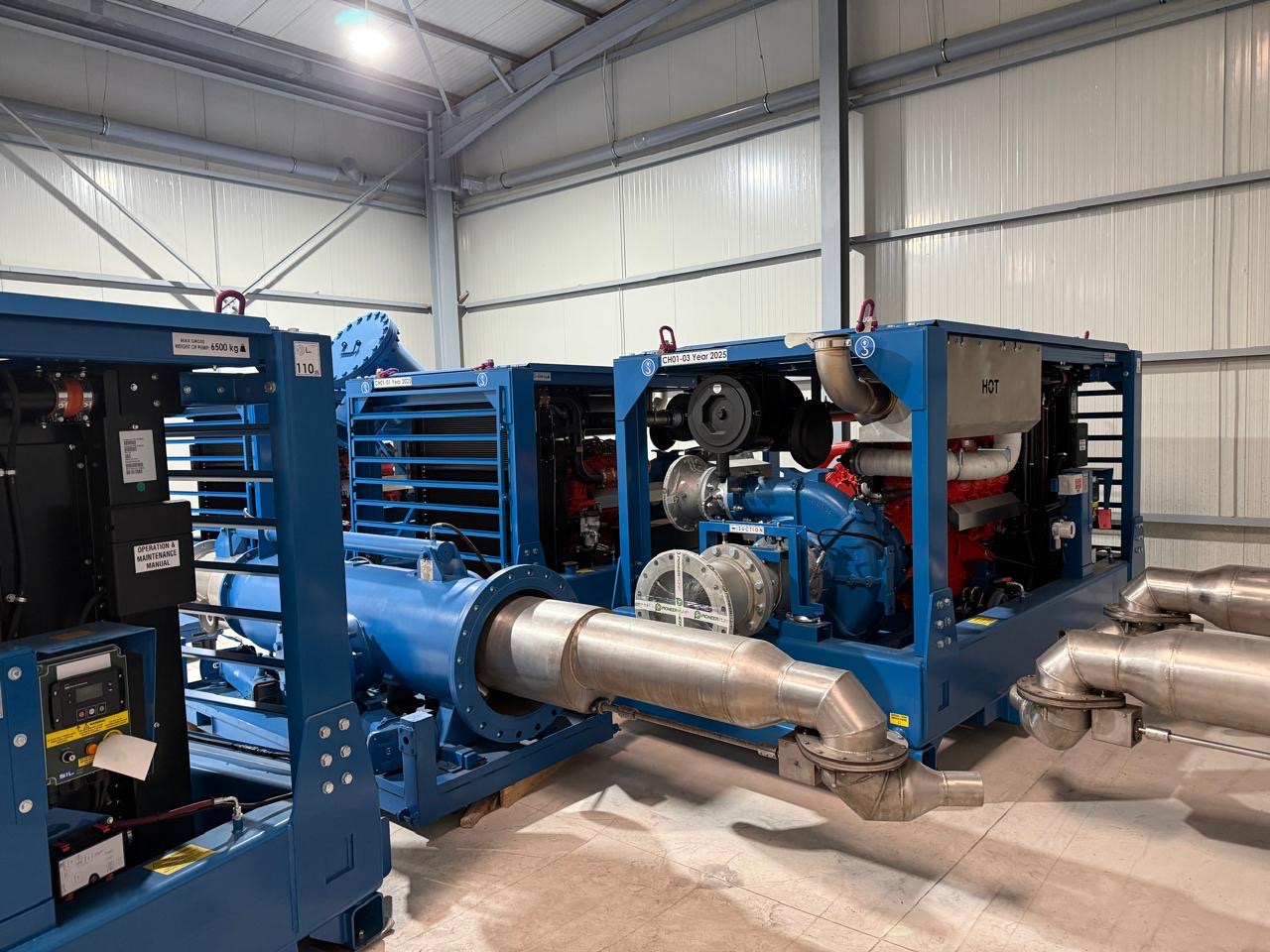
- Manless Entry Tank Cleaning assembly
- Filter pot
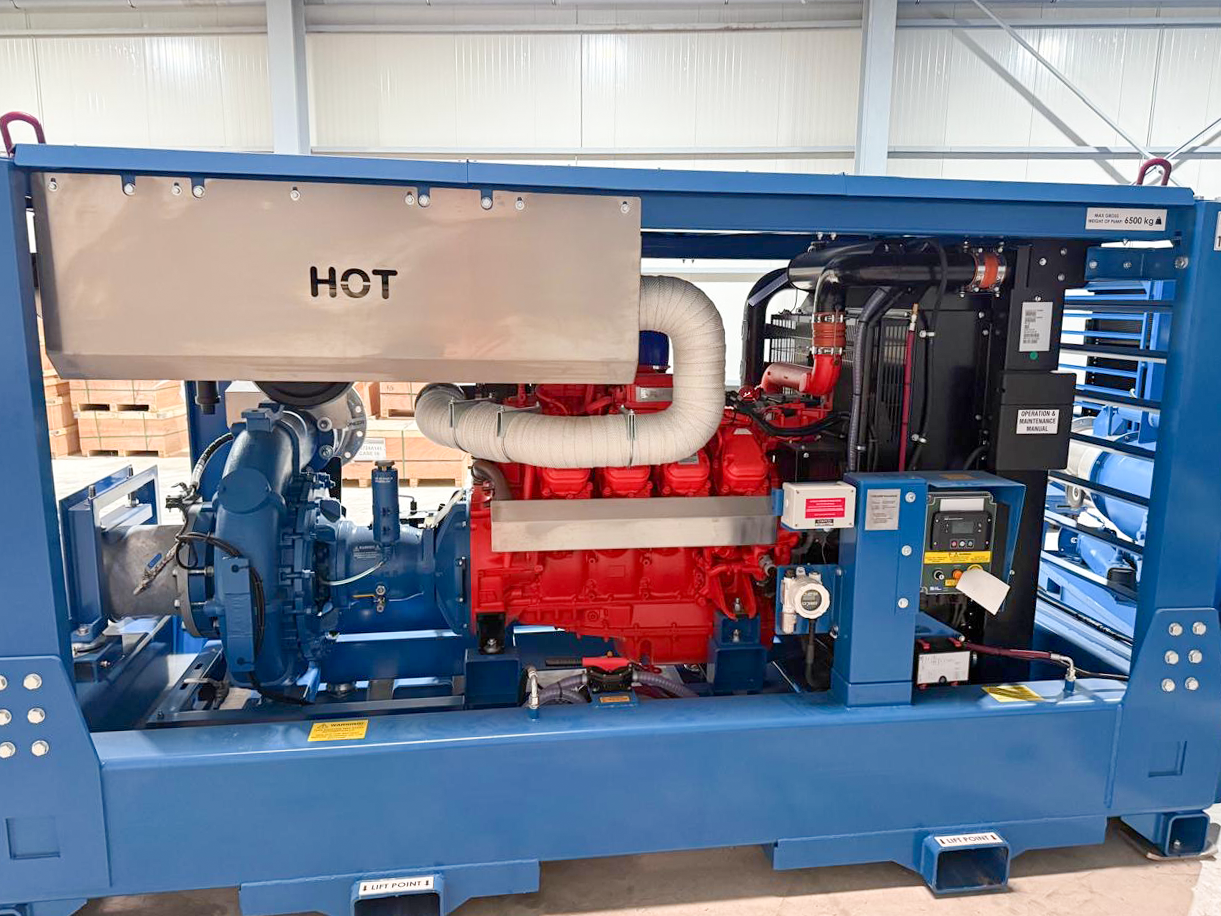
- Pump package
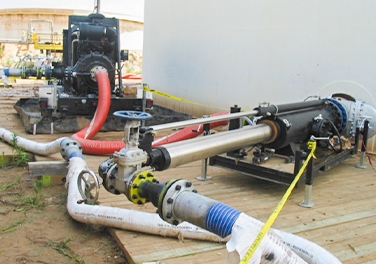
- Large-diameter circulation hoses
- Hydraulic hand pump
- Directional nozzle system
Manless Tank Cleaning Service
How It Works
- Removed with tank contents during transfer operations, or
- Processed through an oil recovery system for product reclamation
Typical Operating Procedure
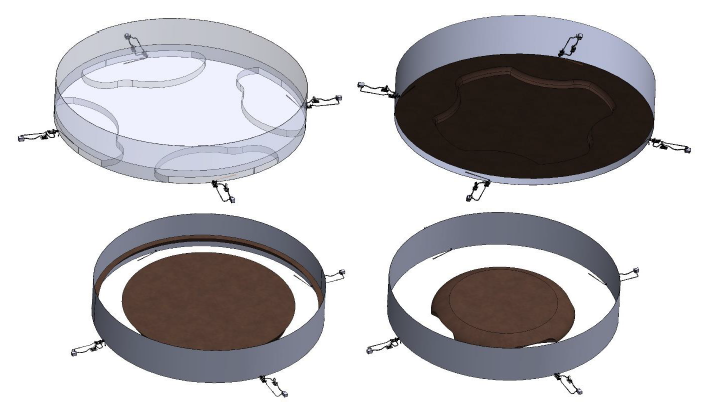
- Position all nozzles in the same direction at startup.
- Incrementally adjust nozzle angles over time.
- Sweep nozzle patterns back and forth to fluidize accumulated sludge deposits.
- Align nozzles to generate continuous rotational flow throughout the tank.
Why LPESG's Manless Entry Tank Cleaning System?
Benefits Include:
- Manless Entry Tank Cleaning assembly
- Filter pot
- Pump package
- Large-diameter circulation hoses
- Hydraulic hand pump
- Directional nozzle system